
The pipe slowly cracked. Tick. Oil seeped into the surrounding ocean. Tock. Gaining momentum as the seconds flashed by. Tick. A small tear rapidly turned into a large hole. Tock. Fish, suffocating. Tick. Petroleum staining the water.

In a matter of minutes British Petroleum was entering one of the largest Public Relations disaster of my lifetime.The country watched helplessly as marine life was suffocated and precious non renewable resources were being lost.
How does a company rebrand after devastating the Gulf of Mexico?
When studying crisis communications, one of the most important pieces is timeliness. Within hours of the leak, BP had addressed the public. The company also maintained conversation with the population in regards to the state of the spill and efforts to being put forth to plug the leak.
The leak got the best of BP, and after multiple attempts to plug it, gallons of oil lost, and ecosystems permanently damaged, it was finally stopped. Not only did BP become the hated face of big oil, but also proved to the nation that the corporation was unprepared for a spill.
As the entire industry of fishing and shrimping began a study collapse, and the impacts of the the spill began rippling far beyond what could have been imagined, Americans began looking for a scapegoat.
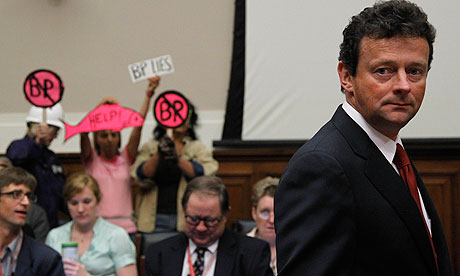
Within three months of the oil spill Huffington Post had reported Hayward would be stepping down as CEO and taking a new post in Russia. CEO's within the company stepped down.
It's always interesting to me that as soon as a crisis occurs often times one of the first moves is for the CEO to take on a new, less visible within the company.
With lawsuits and settlements behind them, BP has refocused their marketing energy into pushing alternative energy solutions, and dropping their previous focus on environmental responsibility. According to Forbes, BP will spend around 500 million dollars in the process of rebranding to regain support within the United States. A component of their campaign involved new customer loyalty programs.
On the BP website, the theme is BP's commitment to various failings of the past. There is a tab that states "commitment to the Gulf of Mexico" incorporating the oil spill BP reminds its audience that they have not forgotten about the disaster and are committed to making it right. By pairing this with their attachment to alternative energies, it appears that BP is doing everything it can to exude corporate responsibility and leave the falling out of the oil spill behind them.
BP has also released various educational videos that provide their personal projections in oil. I think that this also helps BP because it gives the allusion of transparency, that their company has nothing to hid. This video and many others like it can be found on the BP youtube channel.
Despite the outrage in 2010 over the spill, the bottom line of BP has been minimally affected. Stocks have been fairly stable and even displayed an increase in shares when Hayward transferred posts within the company.
Maybe the crisis communications team is to congratulate for the lack of economic misfortune BP has experienced or perhaps the dependency of the world on oil and energy producing companies is the largest component of BP staying a float. The Deepwater horizon oil spill will stay on the books as one of the worst oil spills in the history of the United States.
For More information on the BP oil spill....
Interactive time line of the BP oil spill
BP Commitment to the Gulf of Mexico restoration
BP Oil Spill coverage by the Guardian
EPA information of Oil Spill
BP Corporate Responsibility Coverage

No comments:
Post a Comment